Watershed Restoration
Working for a healthy river
Our Watershed Restoration team takes a regional approach to the local issues facing our 10,000 square mile watershed. From riparian buffers in the Middle and Upper James, living shorelines in the Lower James, to green infrastructure solutions in our urban and suburban areas. We partner with localities, other organizations, and landowners to improve the health of the James River and help citizens realize the benefits of a healthy James River.
Be A James Changer!
Are you a landowner in the middle James River watershed willing to make a difference?
The James River Association and the Virginia Department of Forestry are working with landowners across the middle James watershed to restore or create forest buffers that improve the quality of local waterways. For landowners who qualify and commit to participating in the program, we cover project costs and maintenance for three years.
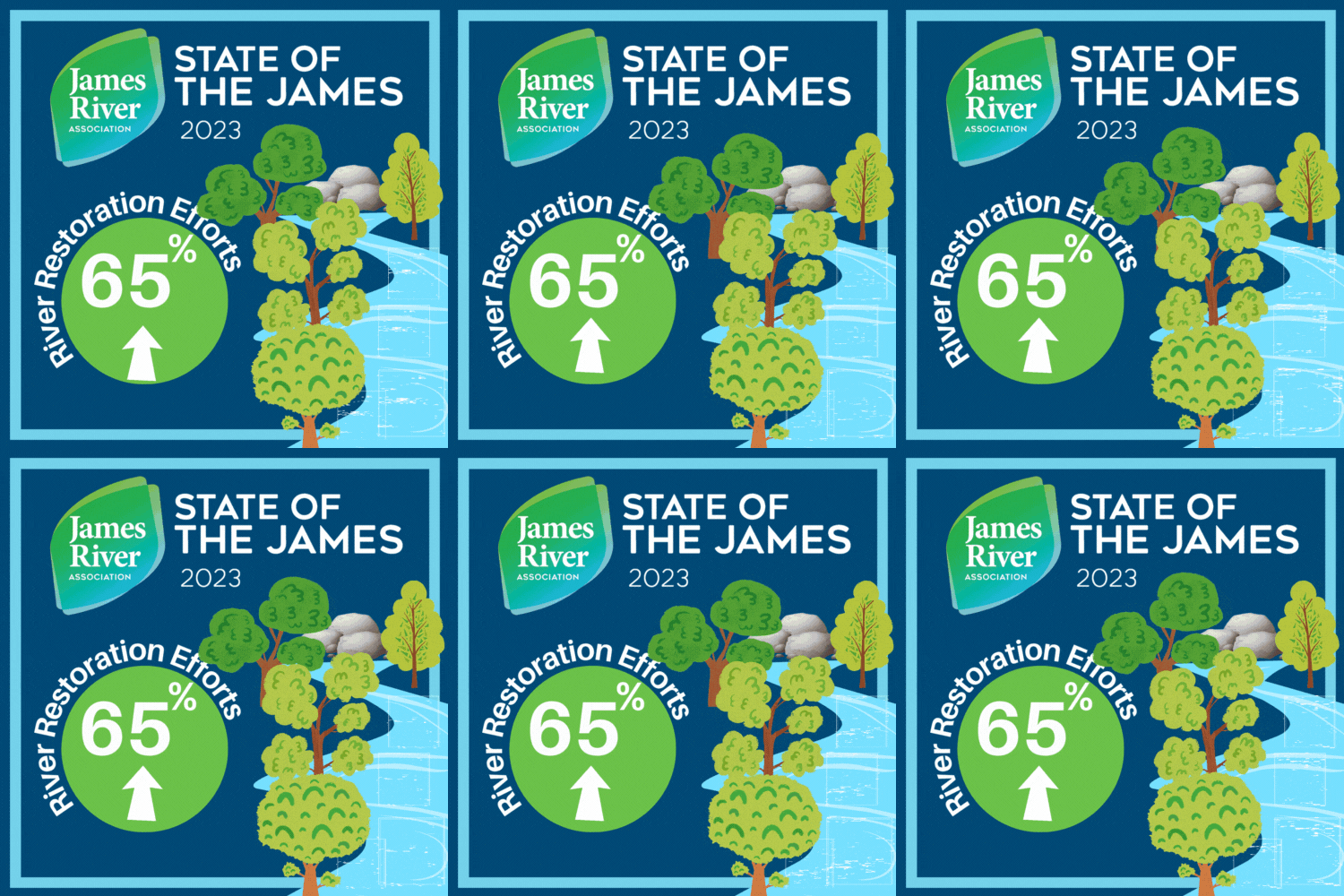
The State of the James is a report card summarizing ongoing efforts to bring the James River back to full health. This comprehensive assessment of the health of the river is published every two years. View the report to see how the river’s health has changed.
Volunteer
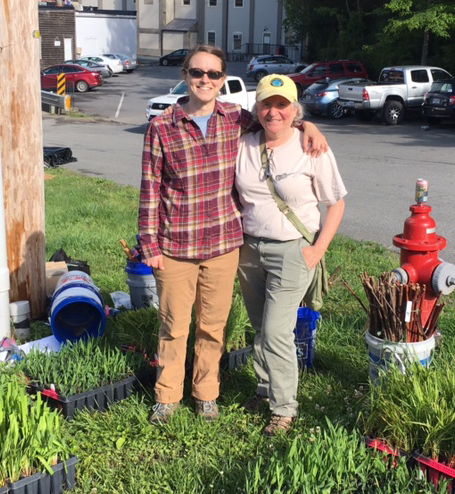
Get your hands dirty!
We love our volunteers! Your hard work and dedication to the James River Association help us reach our mission to promote conservation and responsible stewardship of the James River. We couldn’t do the work we do without people like you!
Program Areas
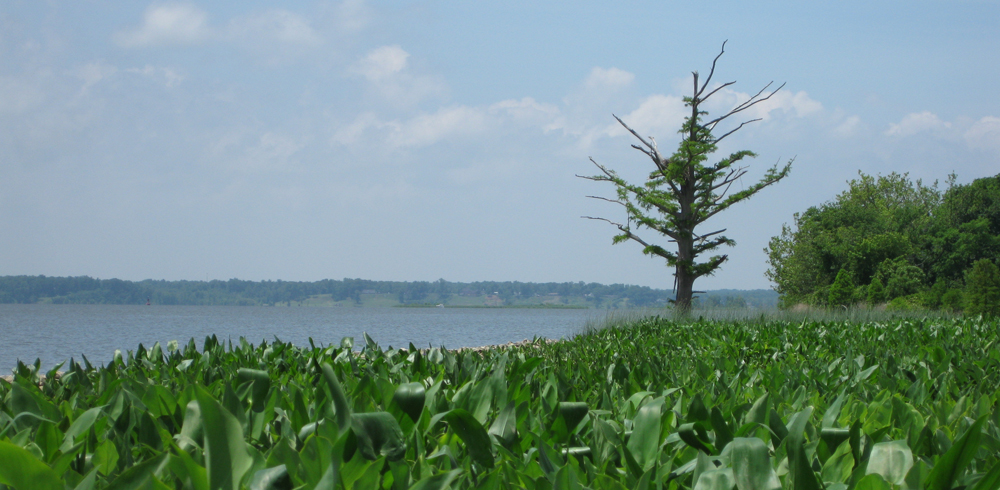
Shoreline Restoration
Living shorelines are a green infrastructure technique using native vegetation to stabilize the shoreline to reduce erosion and protect our marsh areas. Read more about what we are doing on the tidal region of the James River.
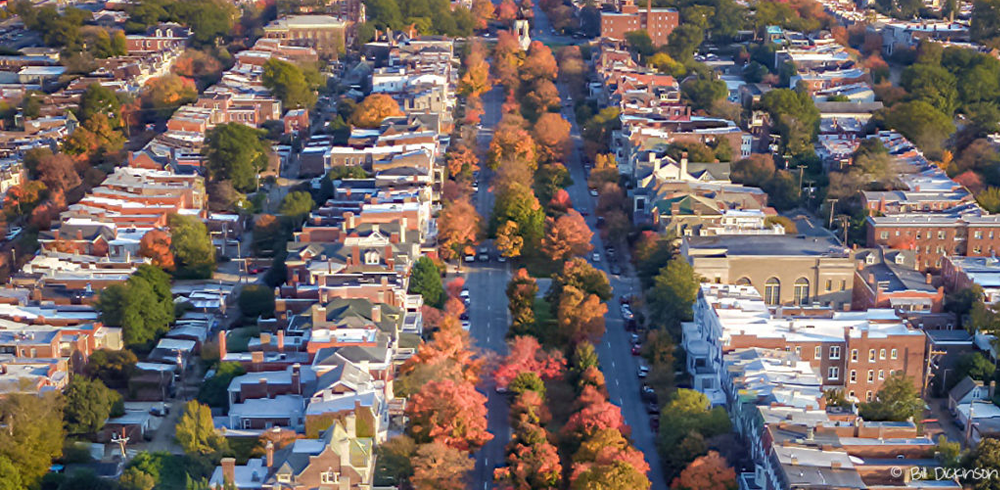
Green Infrastructure
Green Infrastructure projects are effective and economical water management practices that protect and restore our waterways while mimicking the natural water cycle. See what we are doing to reduce stormwater pollution in your neighborhood.
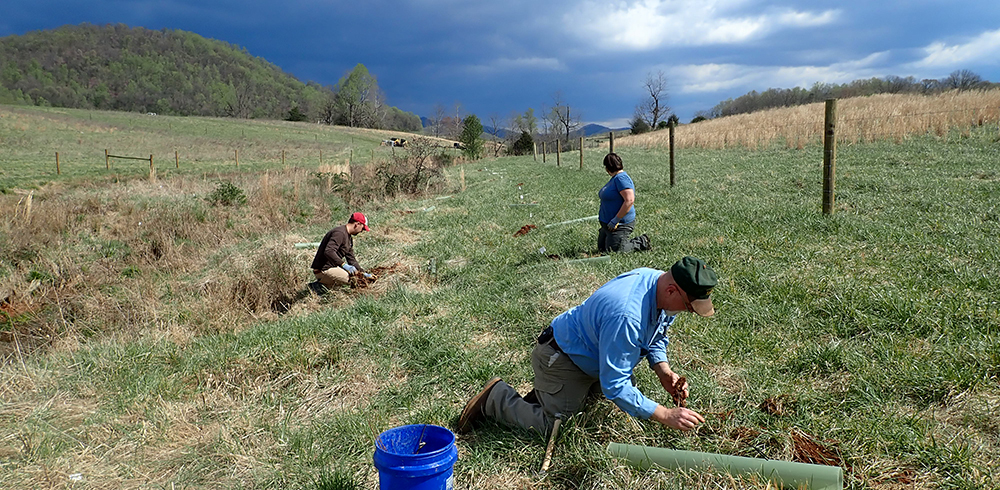
Streamside Forests
Riparian buffers are the trees, shrubs, and other vegetation along our waterways. These streamside forests provide the James River and its tributaries with the protection they need. We have a goal of planting 76,200 seedlings in the next three years. Learn how you can help.
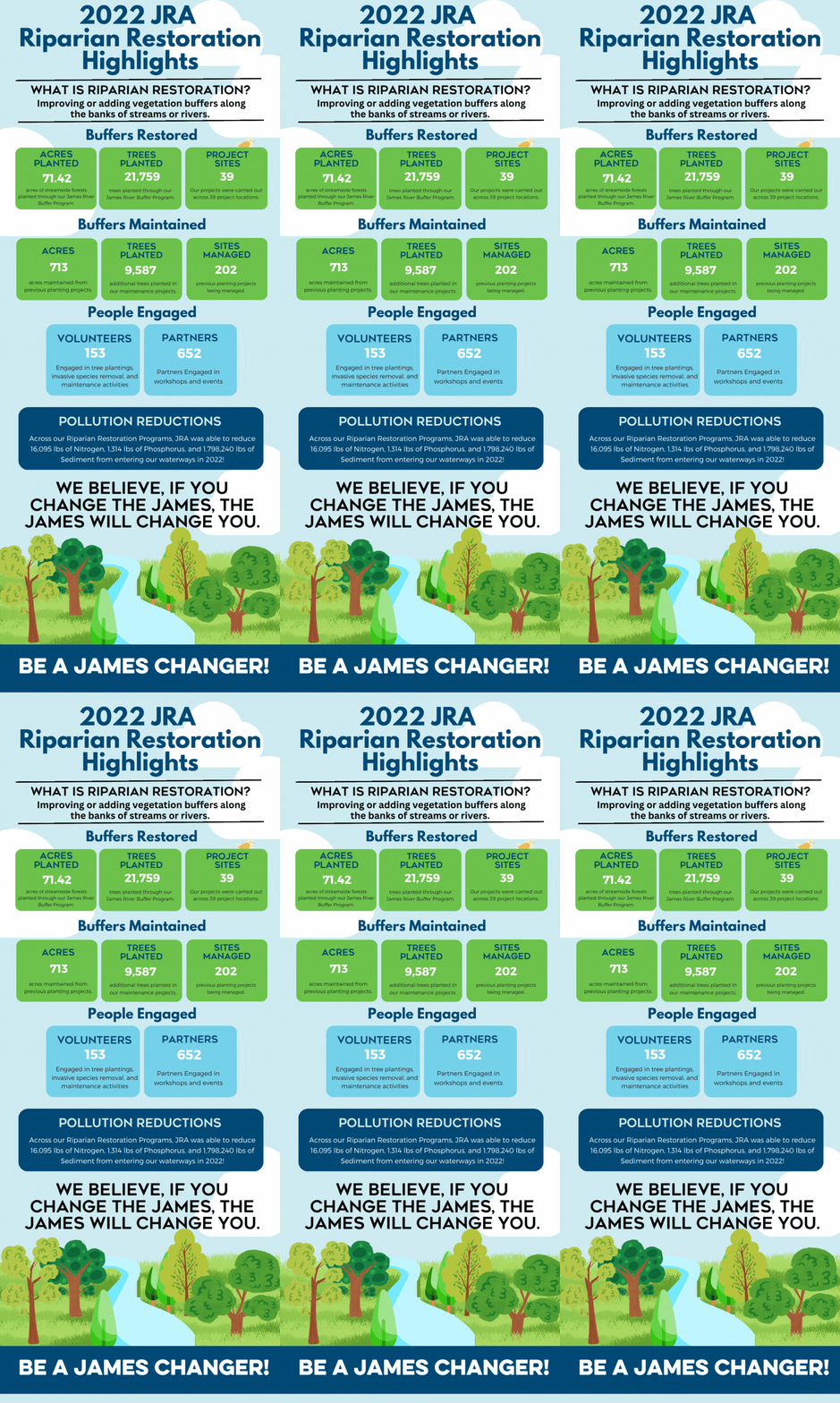
Be A James Changer!
River Hero Homes
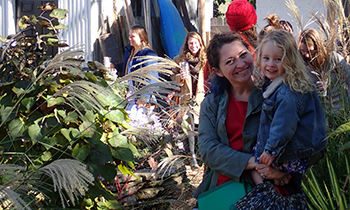
River Hero Homes is a way to recognize homeowners who are successfully taking steps to improve water quality by reducing the amount of stormwater and pollution leaving their property. Becoming a River Hero Home is a simple way to help protect the James River. For more information and to take the pledge visit www.jamesriverhero.org.
Riparian Stewards
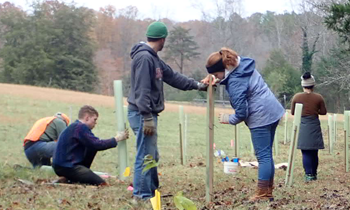
Our Riparian Steward volunteers will be trained to monitor planted riparian forest buffers and assist with their establishment on assigned properties. Don’t want to make such a commitment? Register for a single tree planting.
Volunteer Opportunities
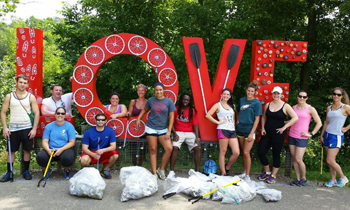
We love our volunteers! Your hard work and dedication to the James River Association help us reach our mission to promote conservation and responsible stewardship of the James River. We couldn’t do the work we do without people like you! Visit our calendar for upcoming opportunities like our monthly Invasive Species Removal days in Richmond, native planting projects, and trash cleanups. Sign up to volunteer to stay in the loop on upcoming ways to get your hands dirty!
Meet the Watershed Restoration Staff
Amber Ellis
Restoration Director
Richmond Office
aellis@thejamesriver.org
804.788.8811, ext 120
Ryan Walsh
Lower James Restoration Manager
Williamsburg Office
rwalsh@thejamesriver.org
757.703.0671
Anne Marie Roberts
Senior Restoration Field Manager
Scottsville Office
amroberts@thejamesriver.org
434.286.7000
Joey Shelton
Riparian Stewardship Coordinator
Scottsville Office
jshelton@thejamesriver.org
434.286.7000